Review (Action)
The Review action creates a user task.
Use it when someone must approve or reject a request.
Reviewers can also return structured feedback.
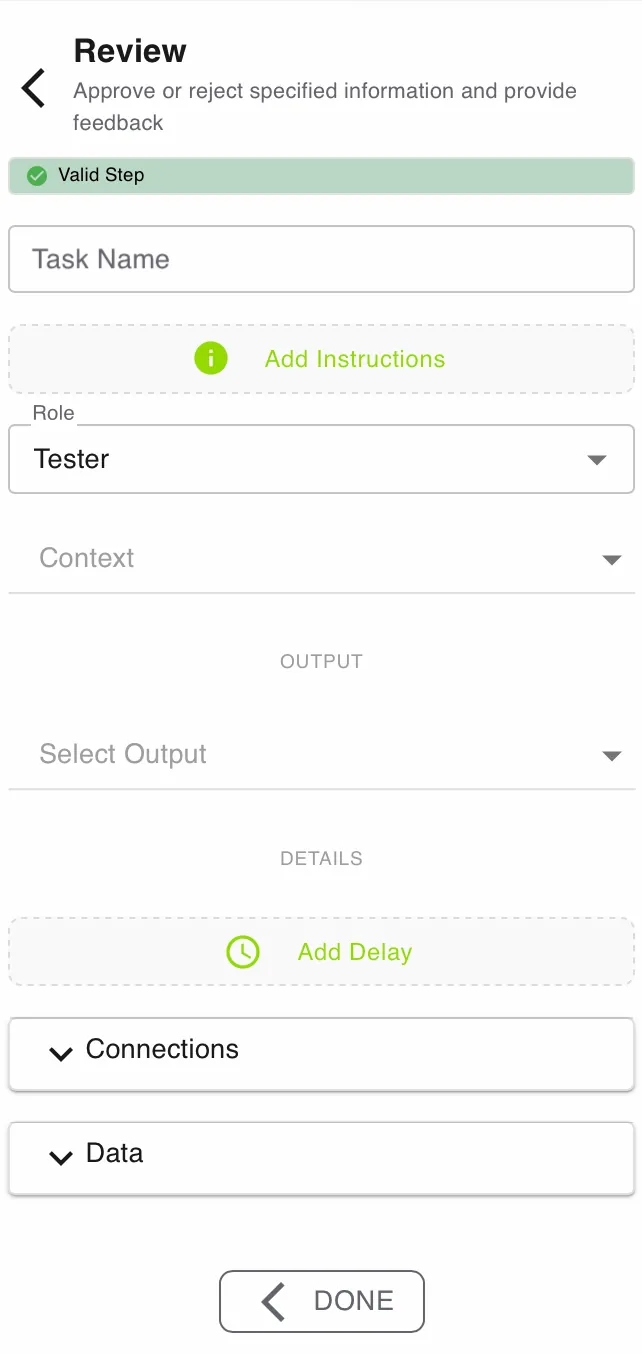
This action is configured in the Builder configurator. See Builder Navigation and Workspace Basics for the surrounding UI.
Status


The current status of the step is shown directly under the Step Type. Specific problems can be seen by expanding the box.
Configuration
Task Name and Add Instructions
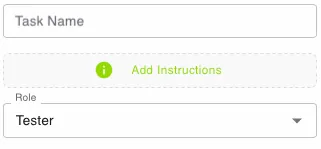
Use Task Name to give the step a clear label.
Use Add Instructions to tell the assigned user what to submit.
Keep both fields specific. Good labels make the task easier to find and complete.
Use Role to define who is responsible for the task.
Roles are configured at process level in the Roles tab.
Context
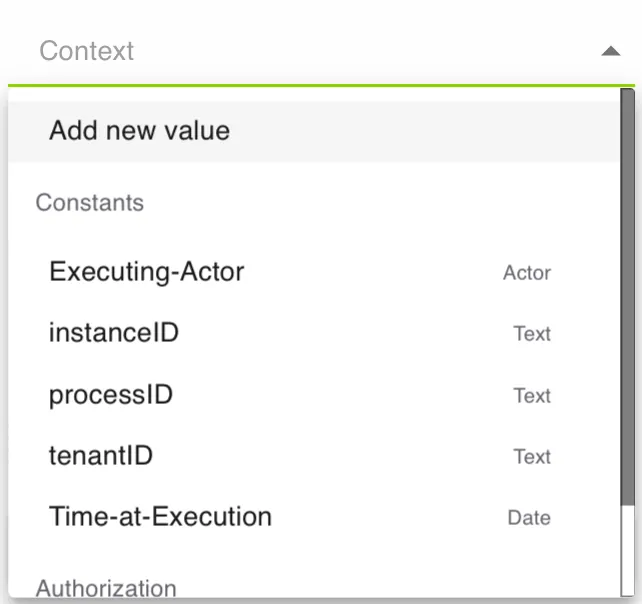
Use Context to pass values into the task.
This can include system values like Executing-Actor and instanceID, or your own symbols.
Select Output
Choose the symbols in Select Output that the user must provide.
These fields define the result of the task.
Use this for form values, uploaded content, or any structured input needed later in the process.
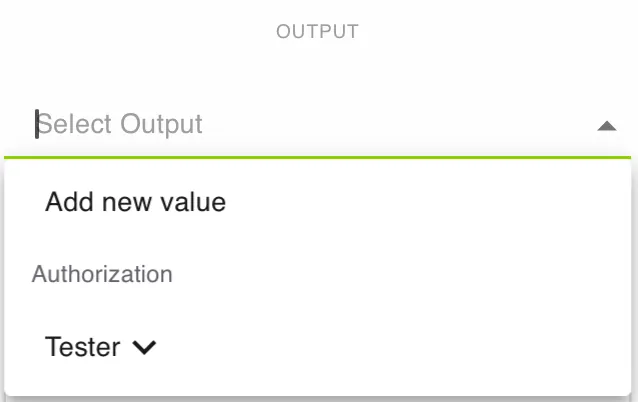
Only selected output symbols are returned by this step.
Review always evaluates a boolean approve result.
Use extra output symbols for comments, rejection reasons, or scores.
Unlike Acknowledge, Review returns a decision.
Unlike Submit Information, it is centered on approval, not data entry.
Details and Delay
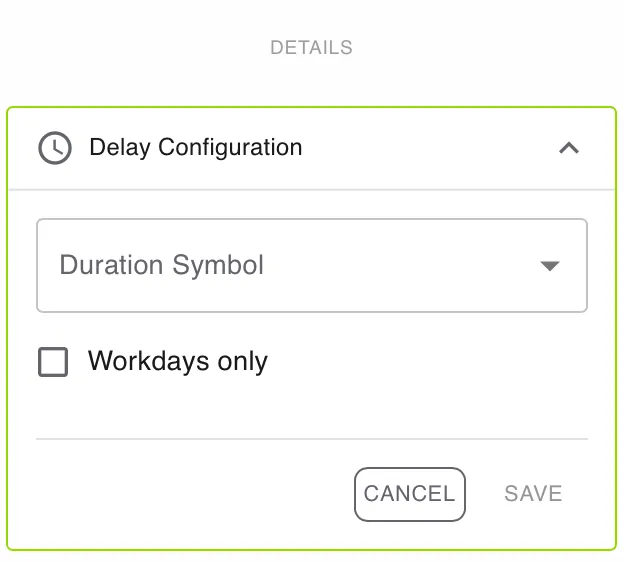
Open DETAILS for advanced settings.
Use Add Delay if the task should become active later.
Enable Workdays only if the delay should ignore weekends and non-working days.
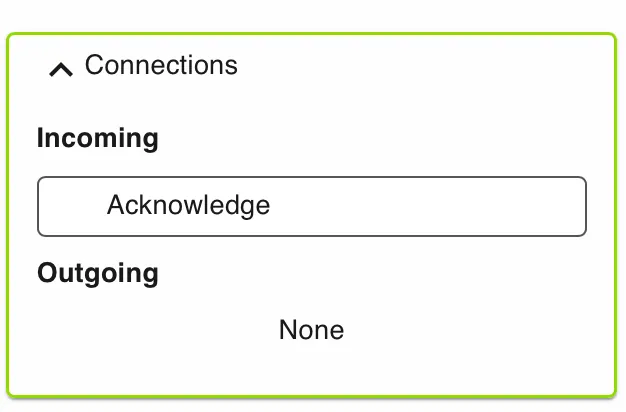
Connections
Use Connections to review incoming and outgoing links for this step.
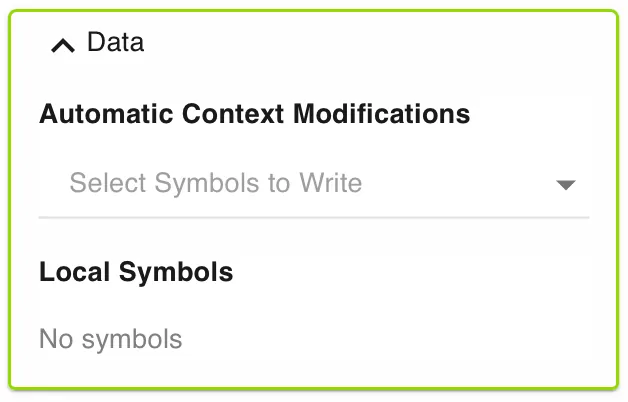
Data
Use Data to manage automatic context modifications and local symbols.
Automatic context modifications update process values when the task is completed.
Local symbols store step-specific values that are only relevant inside this action.
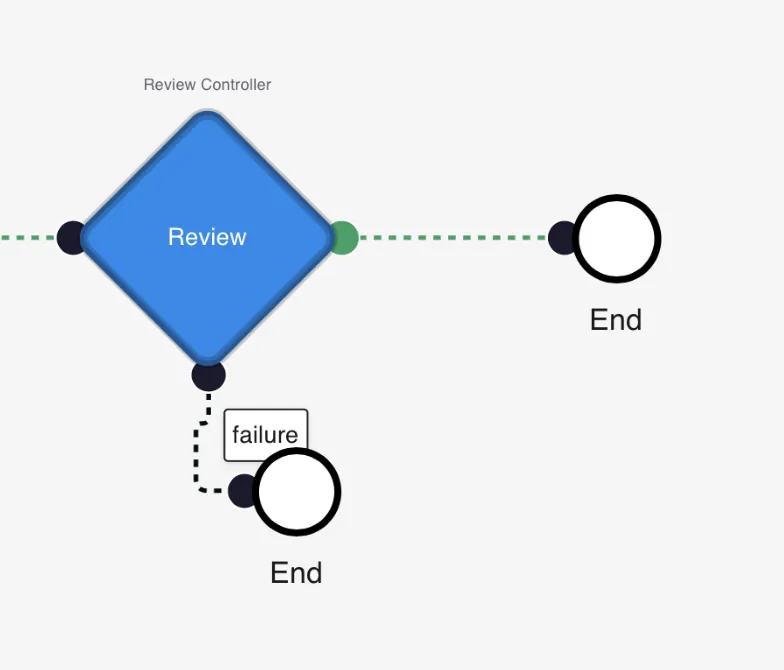
Engine behavior
- The step uses the
ReviewControllerand itsreviewfunction. - A positive decision follows the
successpath. - A negative decision follows the
failurepath. - Extra output symbols are returned to the process context on completion.
Use cases
Review works well when a person must approve or reject submitted information before the process can continue.
- Document approval: Approve a contract, proposal, or generated document.
- Expense validation: Approve or reject reimbursement requests.
- Quality control: Confirm whether an item meets the required standard.
Works well with
- Submit Information to collect the data that needs review.
- Threshold Voting when several people must decide together.
- Conditional Branching or Match Case to route by result.